
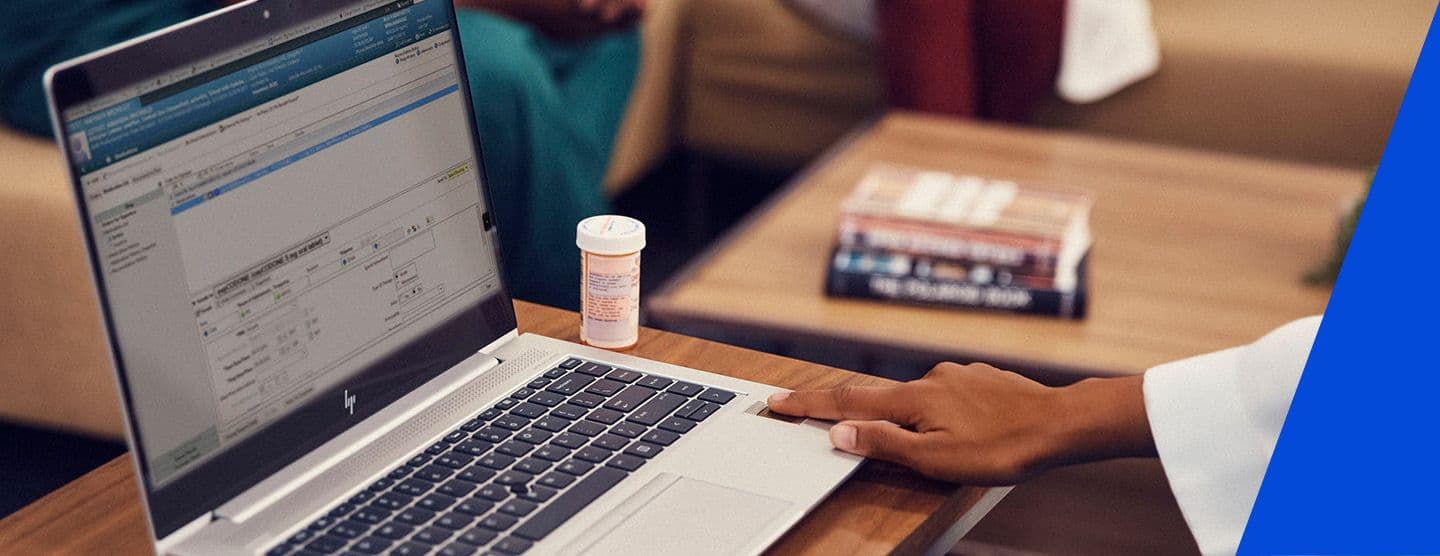
In healthcare, data isn’t just numbers — it’s patient lives, medical histories, and personal records. With telemedicine, remote diagnostics, and hybrid healthcare operations becoming mainstream, professionals are increasingly handling sensitive patient data outside hospital walls.
But this shift creates a massive challenge: how do healthcare teams ensure HIPAA, GDPR, and regional compliance when accessing or sharing patient information remotely?
The answer lies in business laptops designed with compliance-first features — safeguarding privacy without compromising productivity.
Data Sensitivity: A single laptop breach could expose thousands of patient records.
Regulatory Pressures: Non-compliance with HIPAA, GDPR, or regional laws can result in fines of millions.
Operational Risks: Downtime from breaches disrupts patient care and erodes trust.
Mobility Needs: Doctors, nurses, and administrators now work beyond hospital firewalls.
Healthcare-ready business laptops need to integrate security at the hardware level and make compliance management seamless.
Financial Penalties: Fines range from $50,000 to $1.5 million per HIPAA violation annually.
Reputation Damage: Patients lose trust if their data is compromised.
Operational Disruption: Breaches halt care services until systems are restored.
IT Overload: Without compliance-ready devices, IT teams spend endless hours patching vulnerabilities.
Scenario 1: The Remote Doctor
A physician accesses patient charts from home. On a consumer laptop, the Wi-Fi connection is exposed. On an HP EliteBook with self-healing BIOS, zero-trust authentication, and end-to-end encryption, the session stays compliant and secure.
Scenario 2: The Mobile Health Worker
Field nurses update patient records from mobile units. On basic laptops, privacy risks skyrocket. With an HP Dragonfly featuring built-in privacy screens, LTE/5G connectivity, and encrypted drives, sensitive data stays safe on the move.
Scenario 3: The Healthcare Administrator
Administrators handling billing and compliance audits rely on laptops with integrated audit-ready security features, ensuring quick, seamless proof of compliance.
Hardware-Enforced Encryption: Protects sensitive medical data without slowing workflows.
Self-Healing BIOS: Restores systems automatically after firmware attacks.
Zero-Trust Access Controls: Continuous verification of user identity for every login.
Built-In Privacy Screens: Prevents shoulder surfing in public spaces.
AI-Powered Threat Detection: Identifies unusual access patterns in real time.
Audit-Friendly Security Logs: Helps administrators demonstrate compliance easily.
|
HP Model |
Best For |
Key Compliance Features |
|
HP ProBook |
General healthcare staff |
Reliable encryption, privacy basics |
|
HP EliteBook |
Doctors & administrators |
Self-healing BIOS, zero-trust authentication |
|
HP Dragonfly |
Mobile health workers |
LTE/5G, built-in privacy screens |
|
HP ZBook Firefly |
Research & diagnostics teams |
Data-heavy workloads, advanced encryption |
Compliance Without Burden: Devices simplify compliance reporting and audits.
Protection Beyond Firewalls: Mobility without losing control of sensitive data.
Reduced IT Complexity: Automated, built-in security lowers IT workload.
Improved Patient Trust: Secure systems reassure patients their information is safe.
At HP Connect Experience Centres across New Delhi, Gurgaon, Noida, Pune, Guwahati, Surat, Cochin, and Chennai, IT leaders in healthcare can test how HP laptops simplify compliance.
Hands-on demos include:
Testing self-healing BIOS against simulated attacks.
Demonstrating encryption & privacy features in telemedicine.
Exploring LTE/5G-enabled devices for secure mobile access.
Simulating compliance audits with instant reporting.
HP experts also advise CIOs and compliance officers on aligning device procurement with healthcare data regulations.
Q1. How do business laptops help with HIPAA compliance?
They provide hardware-enforced encryption, audit-friendly logs, and access controls that align with HIPAA data security requirements.
Q2. Why not just use software encryption?
Software alone slows workflows and is vulnerable to bypasses. Hardware-based encryption is faster and more secure.
Q3. Which HP device is best for mobile health workers?
The HP Dragonfly, with LTE/5G connectivity and built-in privacy features.
Q4. How do laptops support compliance audits?
By providing instant access to security logs and automated proof of compliance.
Q5. Can IT leaders test compliance-ready features?
Yes, at HP Connect Experience Centres with hands-on healthcare-specific demos.